

Regenerative Architecture in Menorca: Why Good Design Begins with Listening to the Land
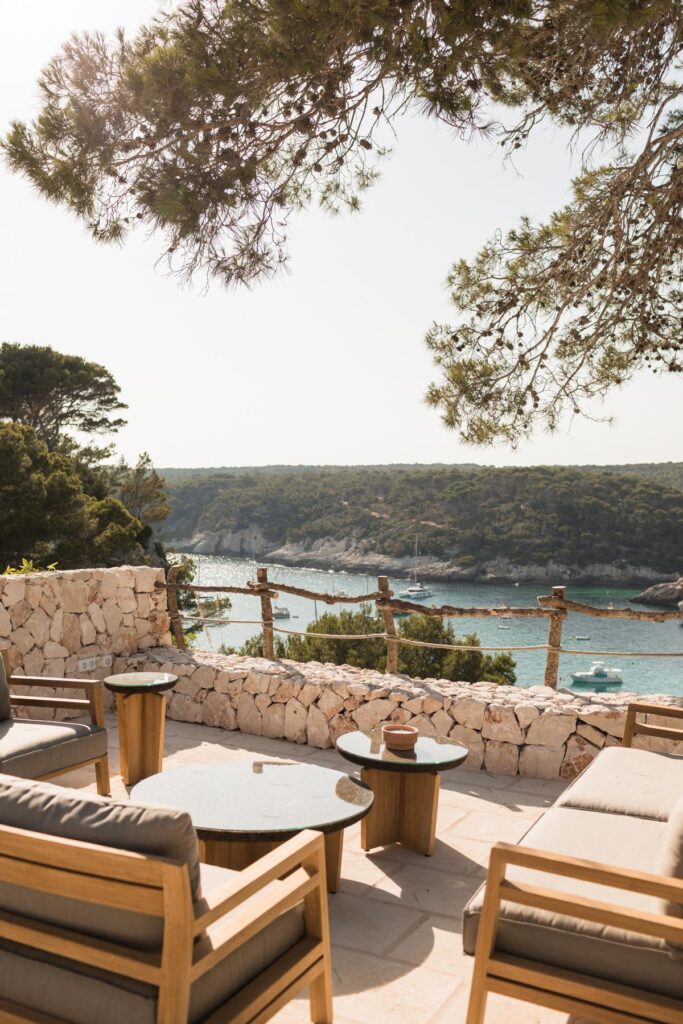
There is something profoundly grounding about Menorca.
Perhaps it is the quality of the light, the stillness of the pine forests, the dry stone walls tracing quietly across the landscape, or the feeling that nature still holds a strong presence here. Unlike many parts of the Mediterranean that have experienced decades of overdevelopment, Menorca has retained a remarkable sense of restraint — a balance between architecture, agriculture, ecology and daily life that feels increasingly rare.
This sensitivity is part of what makes the island so special, but it also creates an important responsibility for those of us involved in shaping homes and buildings here. At our Menorca studio, we are constantly reminded that good design begins with listening. Before decisions are made about layouts, structure, materials, interiors or landscaping, we look carefully at the land, the light, the existing building and the way a home will be lived in. The island has its own rhythm, and our role is to shape architecture and interiors in a way that feels sensitive to that.
Why Regenerative Design Goes Beyond Sustainability
Increasingly, we believe this requires moving beyond the idea of sustainability alone and towards something deeper: regenerative design.
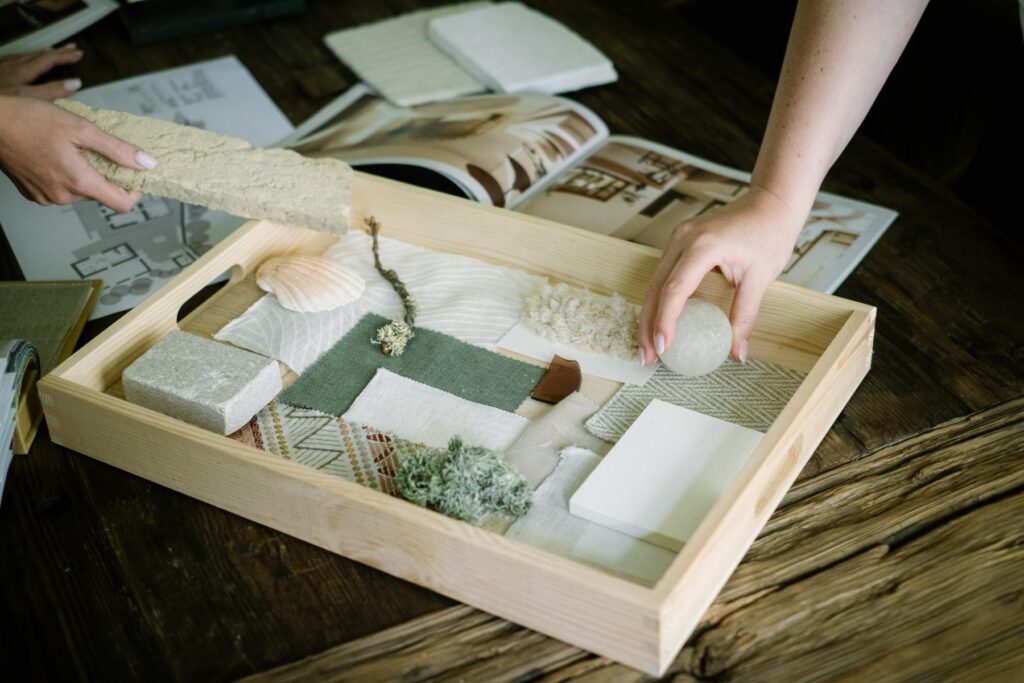
For many years, sustainability has dominated conversations around architecture and interiors. Yet despite this, the construction industry remains one of the world’s largest producers of waste and carbon emissions. Perfectly usable materials are routinely stripped out and discarded during renovations. Buildings are often designed around short-term trends rather than long-term use. Imported materials travel huge distances, while homes themselves can quickly become outdated, altered again or unnecessarily demolished.
On an island such as Menorca, these questions feel even more important.
Resources here are naturally finite. Landfill capacity is limited. Materials often arrive from mainland Spain or much further afield. Water, energy and ecology all need to be considered carefully. Even many products marketed as “sustainable” still carry hidden environmental costs through extraction, transportation and disposal.
Regenerative design asks a different question.
Rather than simply asking how we reduce harm, it asks how architecture can positively contribute to the long-term health of a place — environmentally, culturally and emotionally. It is about creating homes that work in harmony with the island rather than placing additional pressure upon it.
What Menorca’s Traditional Architecture Already Understood
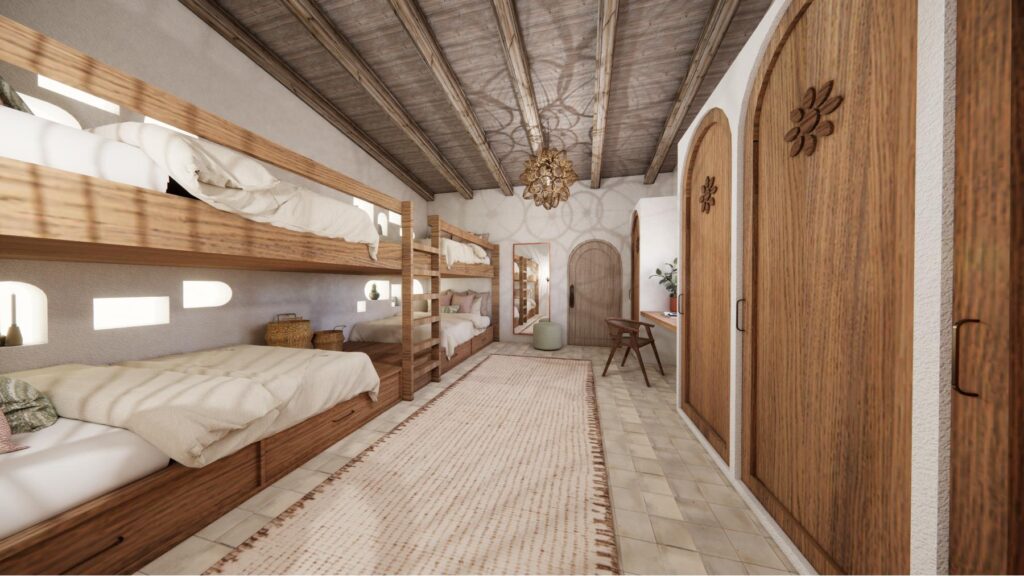
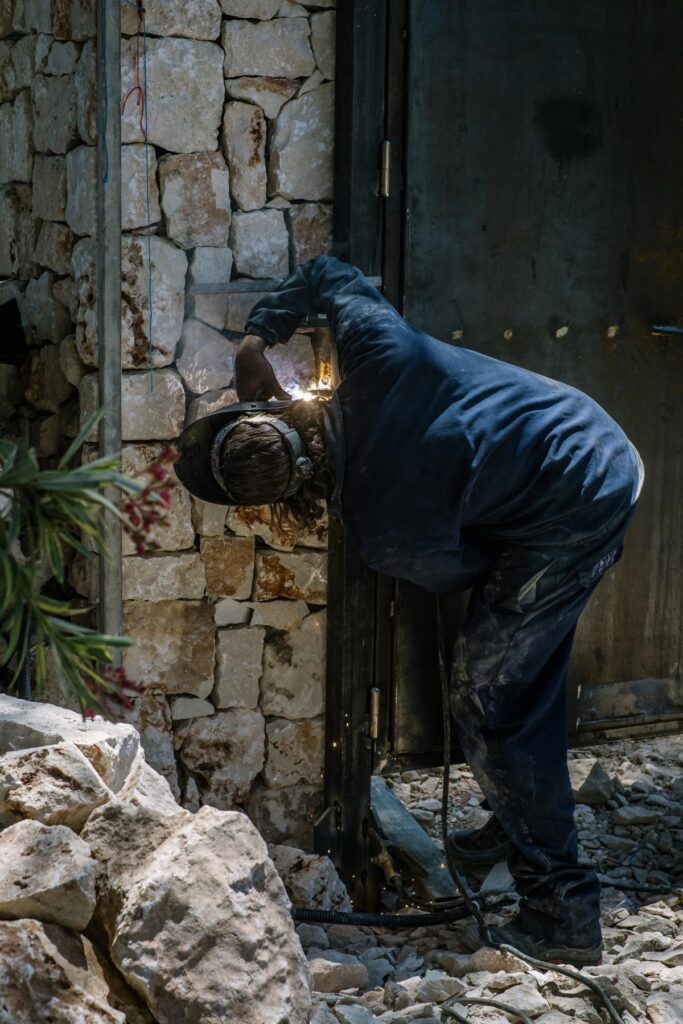
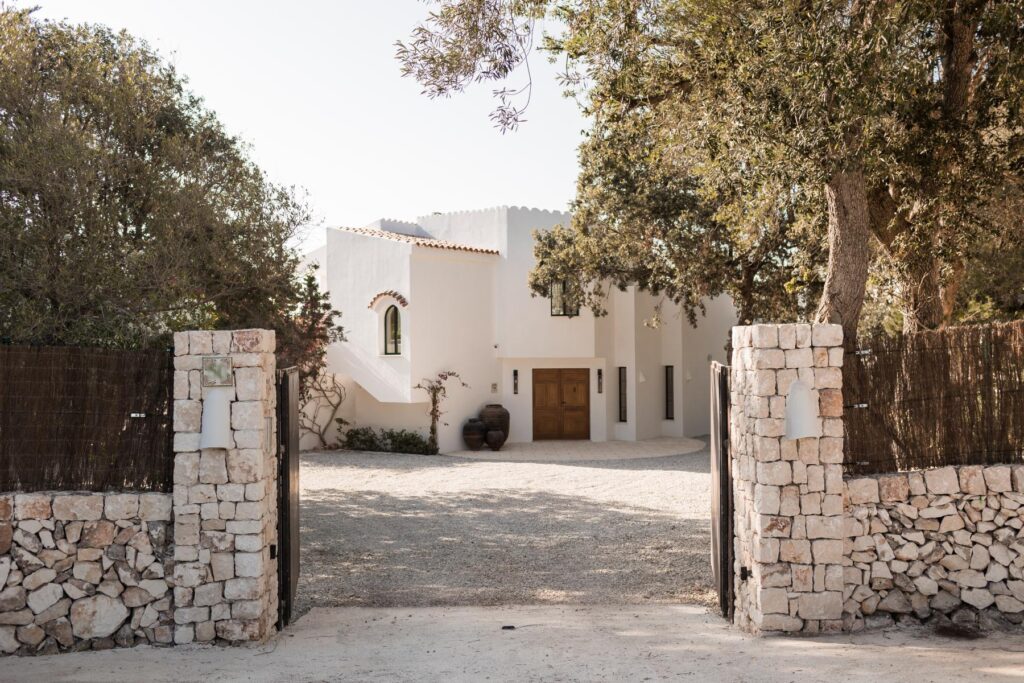
Interestingly, Menorca’s traditional architecture already understood many of these principles long before the terminology existed. Older fincas and village homes were shaped in direct response to climate and landscape. Thick masonry walls moderated internal temperatures naturally. Deep reveals created shade during the hotter months. Cross ventilation reduced the need for mechanical cooling. Outdoor spaces became extensions of daily living. Buildings were adapted and repaired over generations rather than repeatedly rebuilt. There is a quiet intelligence in this vernacular architecture that still offers valuable lessons today.
Circularity: Designing for the Future Life of Materials and Buildings
One of the most important conversations within regenerative design is circularity — designing with the future life of materials and buildings in mind from the very beginning.
Historically, buildings on the island naturally operated in a far more circular way. Stone was reused. Timber was repaired. Existing structures evolved slowly over time. Today, however, many renovations generate enormous amounts of waste, with kitchens, bathrooms, flooring, joinery and furniture removed long before the end of their useful life.
As designers, we feel there is a growing responsibility to challenge this approach.
Increasingly, we also consider flexibility and longevity from the outset — creating homes that can evolve with changing patterns of living over time rather than becoming obsolete within a decade.
Books such as Houses That Can Save the World explore the idea that homes should no longer simply consume resources, but actively contribute positively to the health of people and planet. Whilst some of the examples are ambitious in scale or technology, the underlying principle feels highly relevant to Menorca: buildings should work with nature rather than against it.
Regenerative Design in Practice: The Quieter Decisions That Last
For us, this often begins with simpler and quieter decisions.
Carefully orientating spaces to maximise natural light and reduce overheating. Designing for natural ventilation before relying on mechanical systems. Considering local craftsmanship and repairability. Working with natural and low-impact materials where appropriate. Protecting mature planting and existing habitats. Thinking carefully about water use and landscaping in a dry Mediterranean climate. Designing homes that feel calm, enduring and deeply connected to their surroundings rather than trend-led or disposable.
Beyond the Environmental: Regenerative Design, Wellbeing and Life in Menorca
Importantly, regenerative design is not only environmental — it is emotional and cultural too.
Many homes in Menorca are second homes, used most intensely during the summer season. Yet we believe thoughtful architecture can encourage a deeper relationship with the island throughout the year. A well-designed home should feel equally welcoming in spring, restorative in autumn and comfortable during the quieter winter months. In many ways, creating homes that encourage longer stays, slower living and a stronger connection to the island beyond the peak summer season can itself become part of a more regenerative way of living in Menorca.
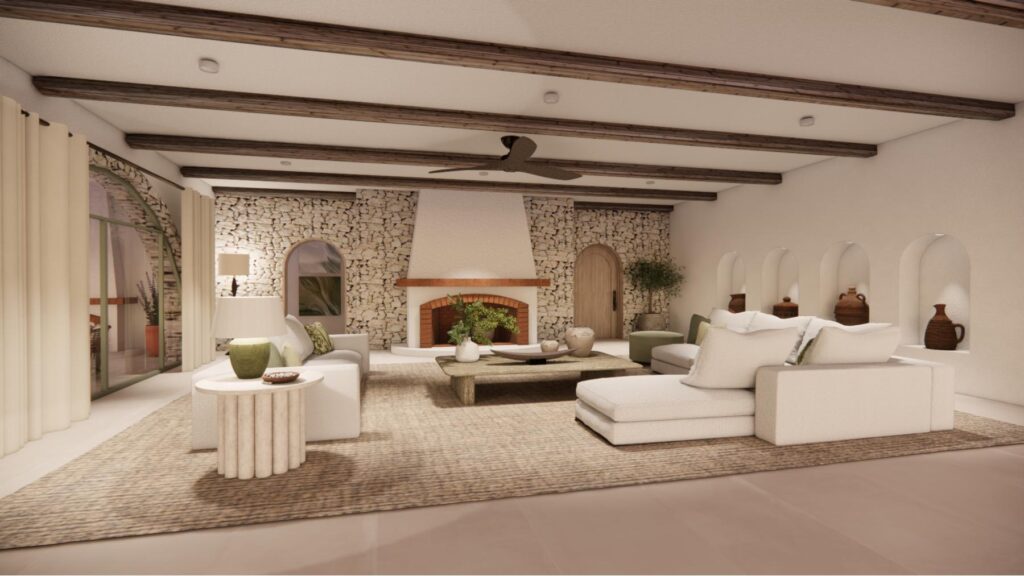
Ultimately, regenerative design is not about creating a particular aesthetic or making grand environmental statements. It is about approaching architecture and interiors with greater care, sensitivity and responsibility.
Perhaps the future of homes in Menorca lies in a more thoughtful approach — one that values what already exists, respects the island’s limits and considers the long-term life of every design decision.
Creating homes that belong quietly to the landscape, support wellbeing, respect resources and enrich the experience of living here for generations to come.
If you are considering renovating an existing property or creating a new home on the island, we would be delighted to hear from you. Our approach is thoughtful, sensitive and deeply connected to Menorca — creating homes that feel authentic to their surroundings, enriching to live in and considered for life on the island well beyond the summer season.
Category: Architecture & Build