

Wabi Sabi Design Principles
Zen philosophy presents seven aesthetic principles for achieving wabi sabi:
- Kanso – simplicity
- Fukinsei – asymmetry or irregularity
- Shibumi – beauty in the understated
- Shizen – naturalness without pretence
- Yugen – subtle grace
- Datsuzoku – freeness
- Seijaku – tranquillity
“Embracing wabi sabi is as easy as understanding and accepting yourself. Imperfections and all. It is about being compassionate with yourself as you are. And building on whatever that is. Not feverously trying to rebuild yourself to pose as something else entirely.”
Mike Sturm – Simple Principles to Bring Calm
Wabi Sabi and Zen Interior Design: Distinguishing the Concepts
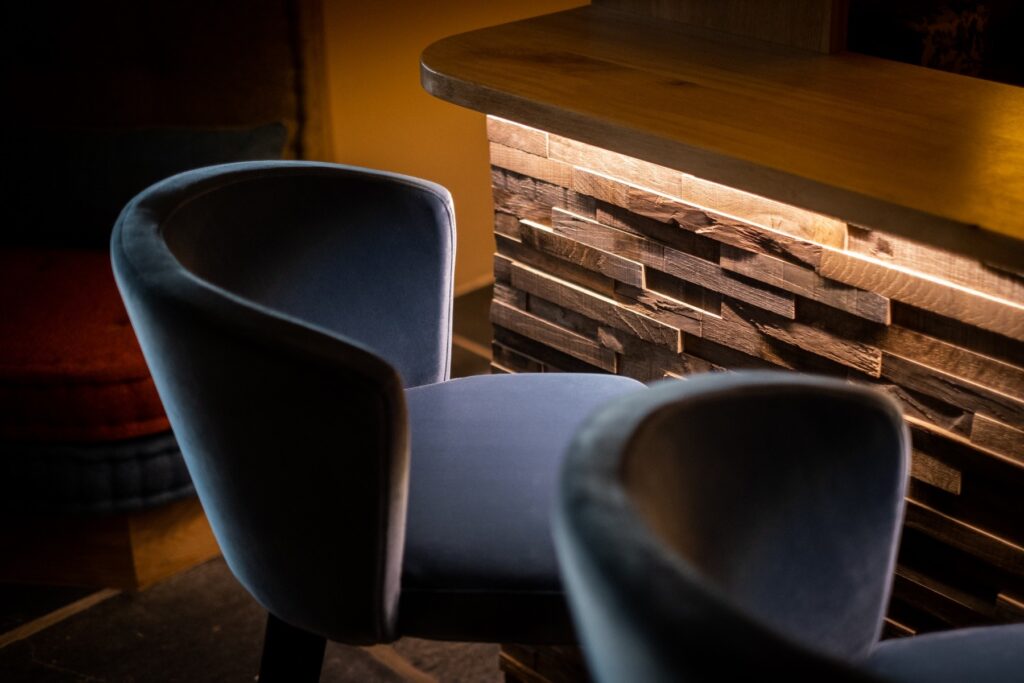
While Wabi Sabi and Zen are both rooted in Japanese philosophy, they differ in their approach to interior design. Zen design emphasizes minimalism, balance, and tranquillity, creating spaces that are serene and meditative. It focuses on the use of space, light, and natural materials to foster a sense of harmony and calmness.
Wabi Sabi, on the other hand, goes beyond just simplicity and balance. It specifically appreciates the beauty of imperfection and the natural cycle of growth and decay. Wabi Sabi interiors are less about creating a perfectly balanced and minimalist space and more about appreciating the beauty in the imperfect and transient aspects of nature and life.
Embracing Wabi Sabi in Charlotte Findlater Designs
We believe that the timeless wisdom of wabi sabi is now more relevant than it has ever been. Particularly as we search for meaning and fulfilment beyond materialism, which is something the whole Charlotte Findlater team is committed to.
Wabi Sabi in Charlotte Findlater designs.
- Materials – embracing the way that stones, woods, metals and leathers age, rust, stain and wear.
- Palette – emulating nature’s palette of blues, greens, greys, browns, whites and creams.
- Uniqueness – avoiding mass-produced objects. Embracing handmade pieces for their simplicity and authenticity.
- Harmony – creating a sense of comforting and enveloping luxury.
- Sustainability – less is always more. This plays into my commitment to sustainability.
Wabi sabi represents a precious cache of wisdom in interior design, valuing tranquillity, harmony, beauty, and imperfection.
Wabi Sabi: The Art of Imperfection in Interior Design
Wabi sabi values tranquillity, harmony, beauty and imperfection.
“wabi” can be “rustic simplicity” or “understated elegance” with a focus on less is more.
“sabi” is “taking pleasure in the imperfect”.
It celebrates the knot in the wood, the wrinkle in the linen or the offset branch in the vase. In this way, it is unlike minimalism, which seeks to streamline or cut the clutter.
It’s about finding beauty in simplicity and impermanency. And in the imperfections of daily life. Wabi sabi interiors use time-worn objects and natural materials. This blend of sophistication and simplicity produces a luxury interior. But it’s a way to deliver a very modern take on luxury.
Wabi sabi as a symbol of resilience
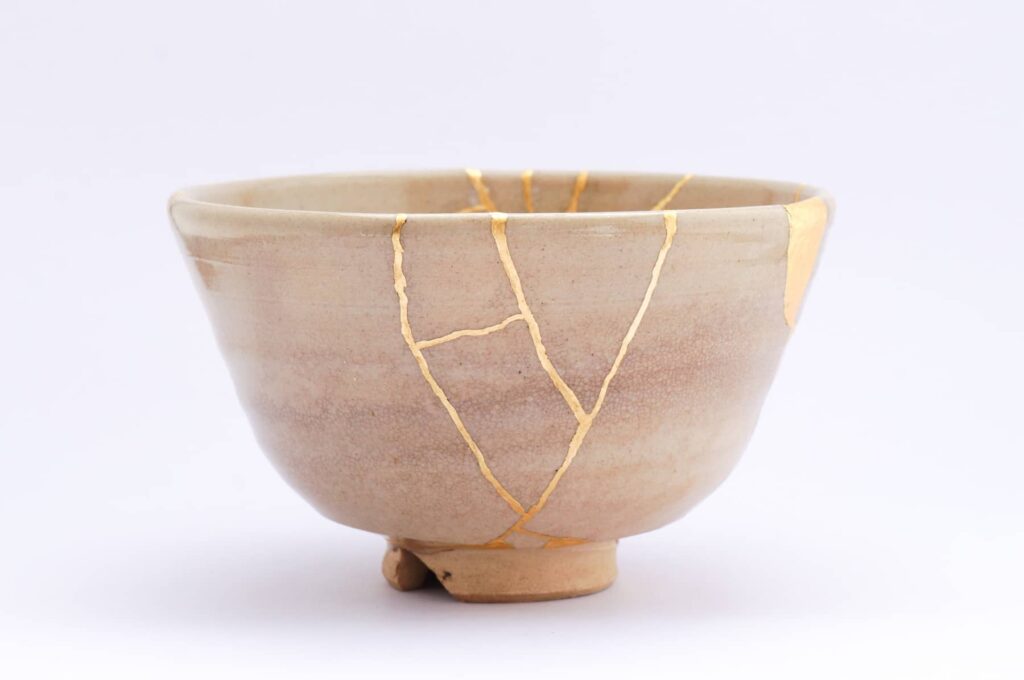
Kintsugi is the art of resilience. It’s an ancient Japanese technique that repairs broken objects by enhancing their scars with gold lacquer. By embracing the flaws and imperfections, we create an ever-stronger, more beautiful piece of art.
This can be a metaphor for healing ourselves. It teaches us that by repairing broken things we create something more unique, more beautiful and more resilient.
“Our wabi sabi designs replace ostentatious displays of wealth with warmth, character and beauty.”
Charlotte Findlater