

At Charlotte Findlater Design, we prioritise the integration of nature into all our designs through our biophilic design principles. Biodiversity Day provides a perfect opportunity to showcase our ongoing efforts and inspire others in the industry to follow suit.
According to the United Nations “Biological diversity — or biodiversity — is the variety of life on Earth, in all its forms, from genes and bacteria to entire ecosystems such as forests or coral reefs. The biodiversity we see today is the result of 4.5 billion years of evolution, increasingly influenced by humans.”
High biodiversity levels are crucial not only for preserving our dwindling green spaces and the creatures that live within them but also for promoting healthy human life. Starting in April 2024, construction projects must demonstrate a 10% increase in biodiversity over the next 30 years. This initiative, known as Biodiversity Net Gain, is endorsed by the Chartered Institute of Ecology and Environmental Management (CIEEM). Their primary advice to industry professionals is to avoid biodiversity loss at all costs, then implement mitigation measures such as planting, insect or bird housing – discussion more later, and, if necessary, compensate for any loss by creating completely new habitats with diverse green spaces. Our commitment to Biodiversity Net Gain is embedded in our Environmental Pledges and Integrated Design Framework. Our focus areas include protecting biodiversity, creating additional habitats, ecoscaping, and enhancing lighting schemes for dark skies. These efforts strengthen our connection to circadian rhythms and enhance our interactions with nature on a human level. Our biophilic principles are key for inspiring our designs, infusing our interior spaces with the colours, textures, sounds and scents of the outdoors.
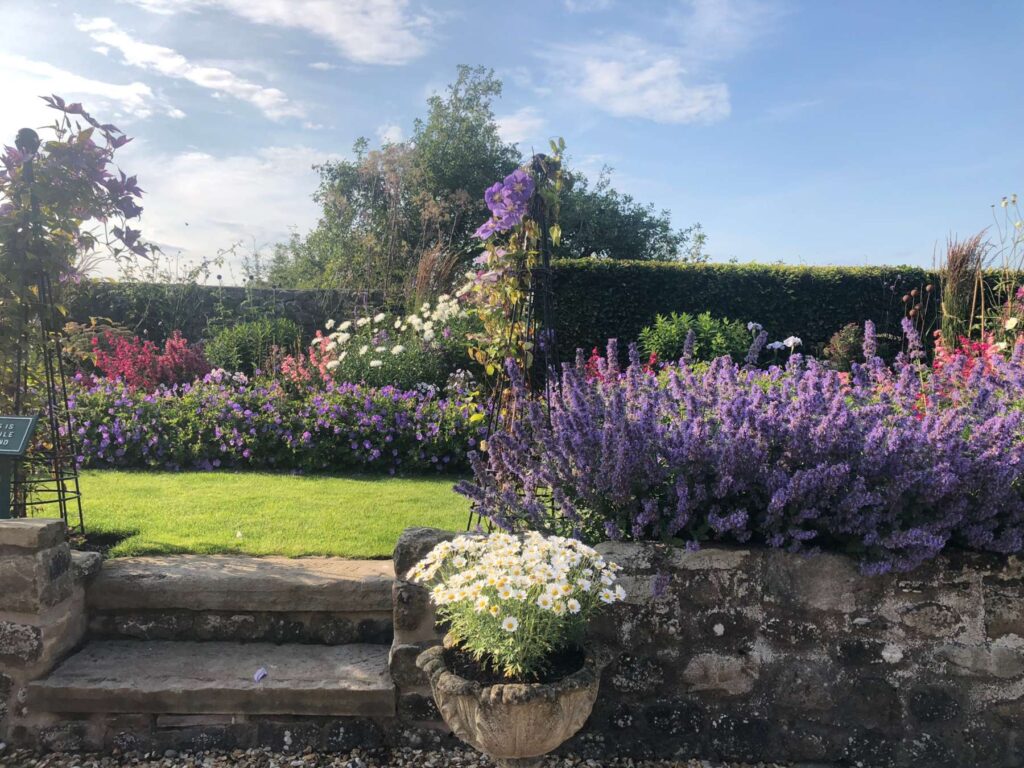
Ecoscaping & Habitat Creation
We often conduct ecological surveys of our ongoing project sites to help us gain a better understanding of the gardens and surrounding landscapes as they are. We use this firstly to draw inspiration indoors, then to review and improve upon the garden design from a biodiversity stand point. Then we look to collaborate with landscapers and gardeners to bring our vision to life, enriching gardens with site appropriate flowers and plants, to infuse the landscape with a harmonious earthy textures and natural colour palette. These gardens then become ideal habitats for insects, bees, butterflies, and other pollinators. We incorporate Bee Boxes and Insect Hotels to further this action, using only suppliers that align with our environmental approach. Many suppliers integrate recycled or waste product to construct these so that over the life span of a building they will natural biodegrade as birds and insects naturally move on too.
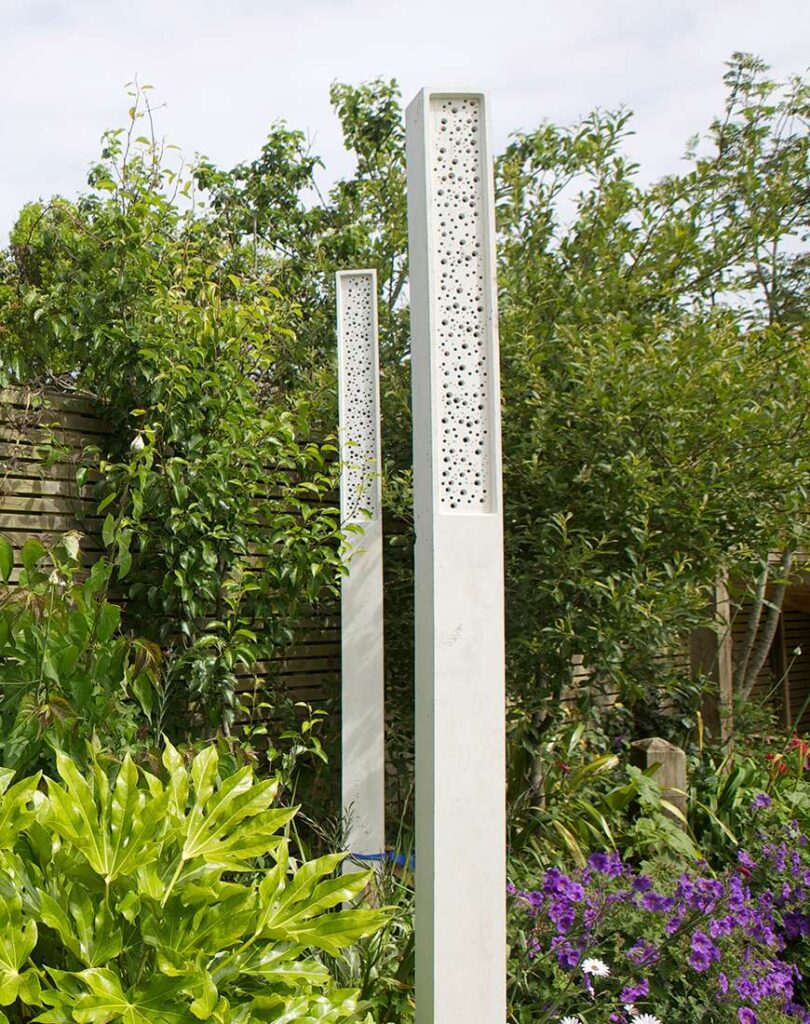
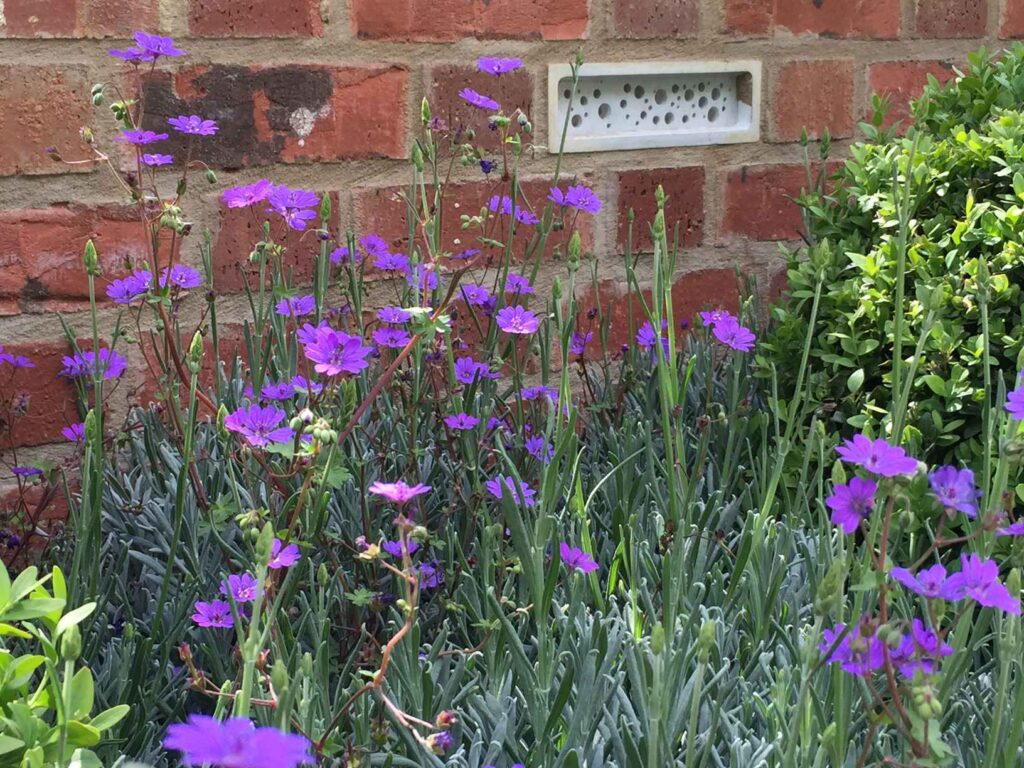
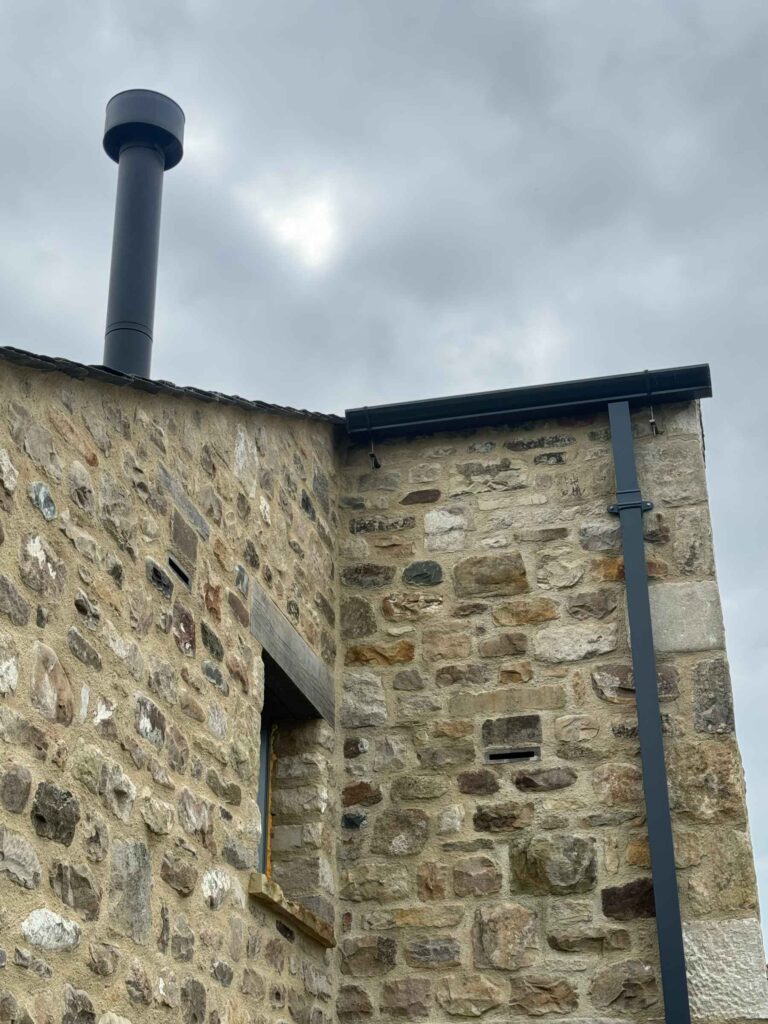
We choose to increase biodiversity in every project providing a plethora of habitats, we truly believe we are a part of nature, not apart from it, and it is our duty to enhance and protect it. Bat boxes are a great example of the steps taken to ensure this, we provide tall planting and trees, ponds for water and food, and integrating habitats into our buildings, both new builds and renovations. As shown in the imagery below, bat boxes can be seamlessly integrated into stone work, by staying true to the local vernacular with a subtle approach, there are no aesthetic compromises. The bat box installed on this property is so subtle most don’t even notice, acting as the perfect hideaway for bats. Can you spot them?
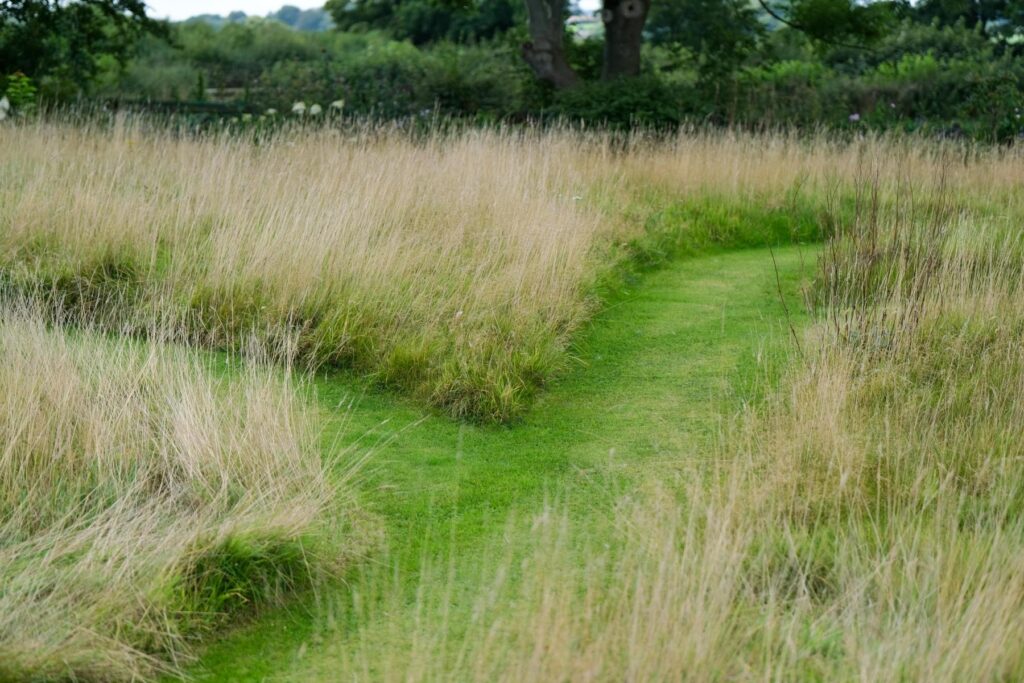
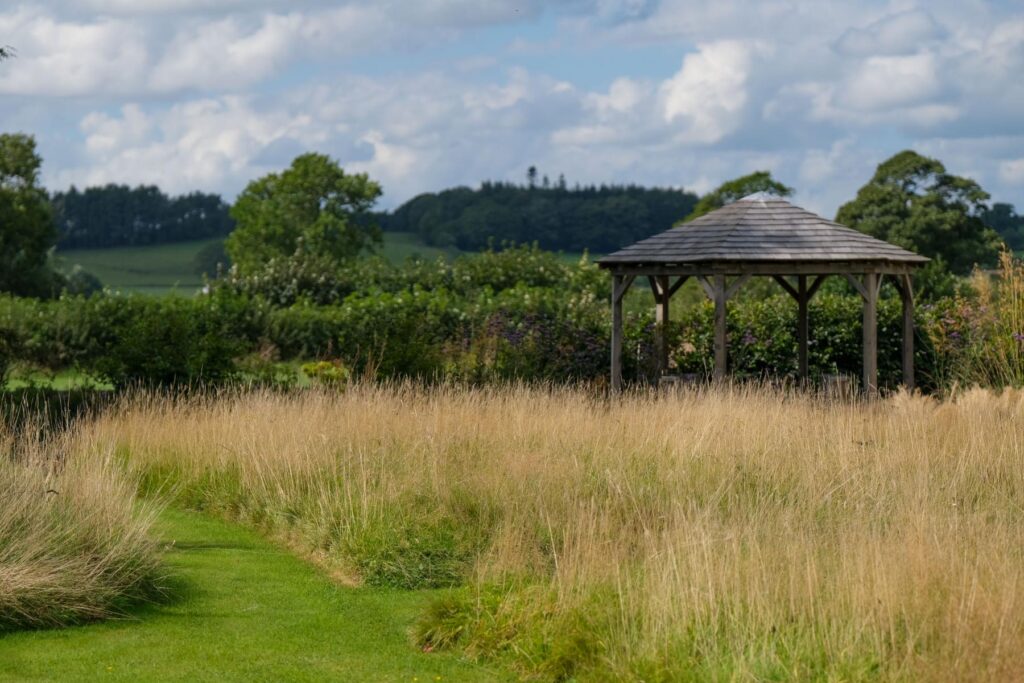
While manicured lawns are easy to maintain, they offer little to pollinators and small animals. Instead, we prefer ecoscaping solutions, allowing certain areas to grow wild with neatly trimmed paths intersecting them. This approach not only benefits nature but can provide privacy, reduce noise pollution from nearby roads and reduce strong winds that may ordinarily build up travelling across flat planes of grass. The curved intersecting lines also provide a beautiful aesthetic finish.
Dark Skies & Circadian Rhythms
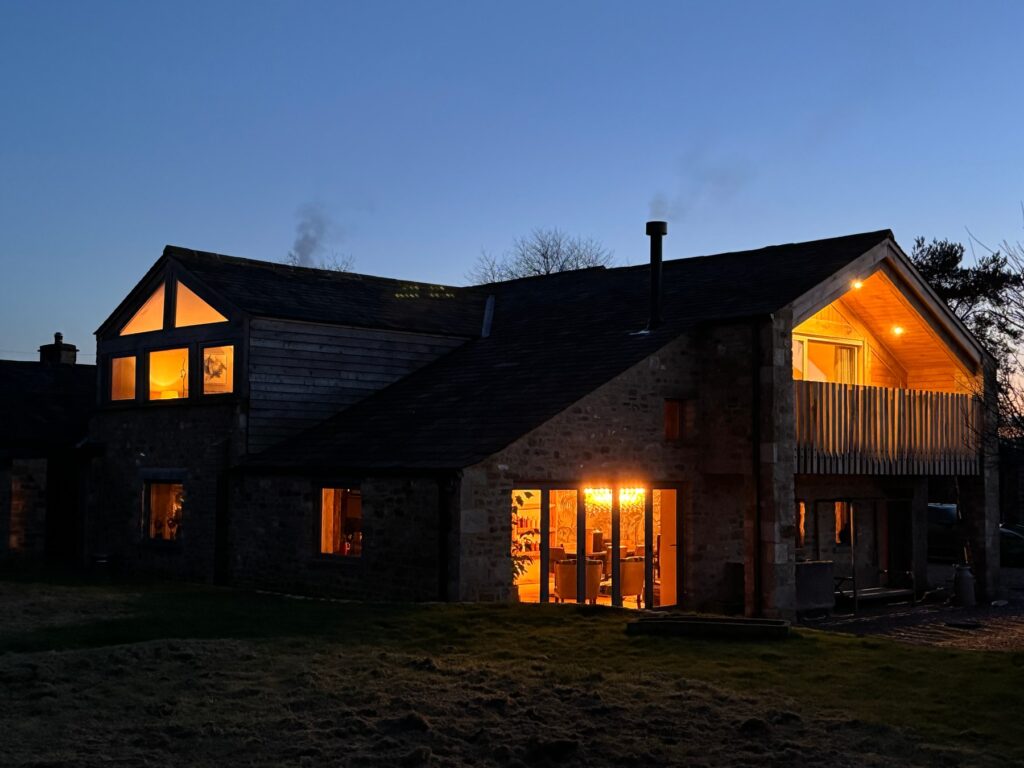
Restoring and maintaining dark sky areas is crucial for biodiversity and wildlife. Dark skies can be seen in places with extremely low levels of light pollution. Even in some of the breath taking rural locations, are projects are situated in, do not have dark skies. Light pollution comes from overly lit homes and hospitality venues, cars on the roads, street lighting and much more. Overuse of uplighters is one of the most common mistakes we find in garden lighting, as they waste energy and disrupt wildlife with excessive brightness. Additionally, selecting the wrong kelvin scale (noted as bright daylight at 5000K with 10,000K being a very white, bright sky) can disturb animals’ natural circadian rhythms when lighting mimics these scales at night. We recommend using a warmer 3000K with a lower lux level to avoid these issues.
At Charlotte Findlater Design, we are dedicated to creating designs that prioritize and enhance our natural environment. Join us in celebrating Biodiversity Day and committing to a future where nature and design coexist harmoniously.
Addressing Environmental Challenges: Charlotte Findlater Design’s Ethos
Our planet faces unprecedented environmental challenges, from climate change to habitat destruction. At Charlotte Findlater Design, we recognize the crucial role architects and designers play in addressing these issues. We believe in creating spaces that cater to human needs while restoring and protecting the natural world, seamlessly integrating our ethos into every project.
Using Sustainable Building Materials for Biodiversity Integration
A key strategy for promoting biodiversity in architecture, aligned with our design philosophy, is the use of sustainable building materials. These materials are essential in reducing the environmental impact of construction and fostering biodiversity. By opting for locally sourced, renewable, and non-toxic materials, we minimize habitat destruction and pollution, contributing to a more sustainable and eco-friendly built environment.
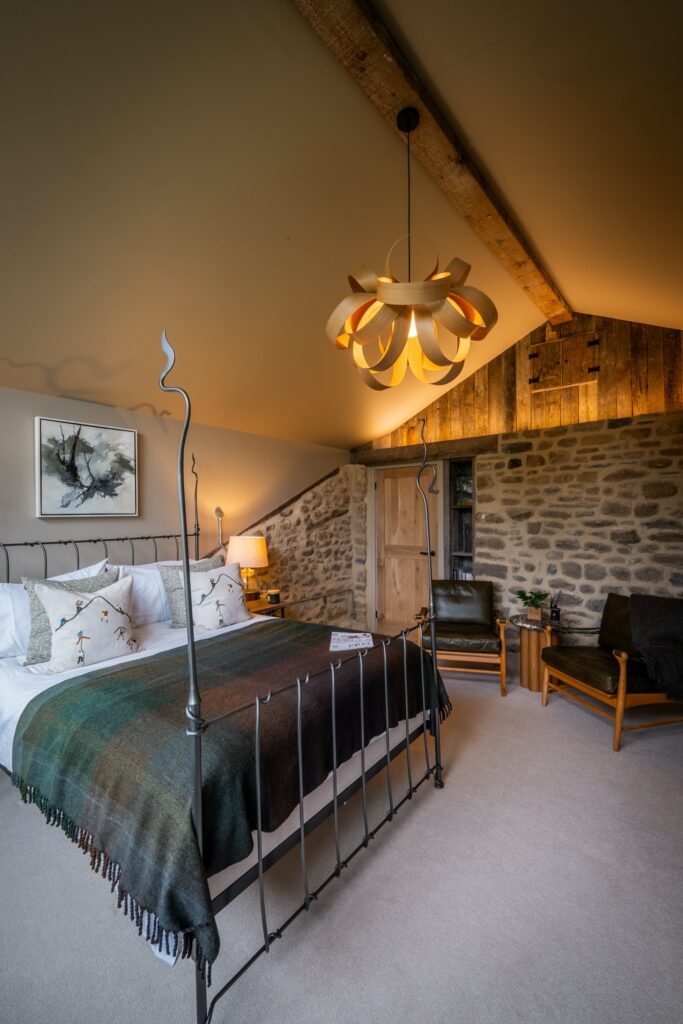
Charlotte Findlater Design’s Commitment to Sustainability
- Local Sourcing: Using locally sourced materials reduces transportation distances and associated carbon emissions. This approach supports local economies and communities, fostering a sense of connection and collaboration between architects and the surrounding environment.
- Renewable and Non-Toxic Materials: Choosing materials that are renewable and non-toxic helps create healthier indoor environments by reducing the release of harmful chemicals and pollutants. This commitment enhances indoor air quality, supporting the overall health and comfort of building occupants.
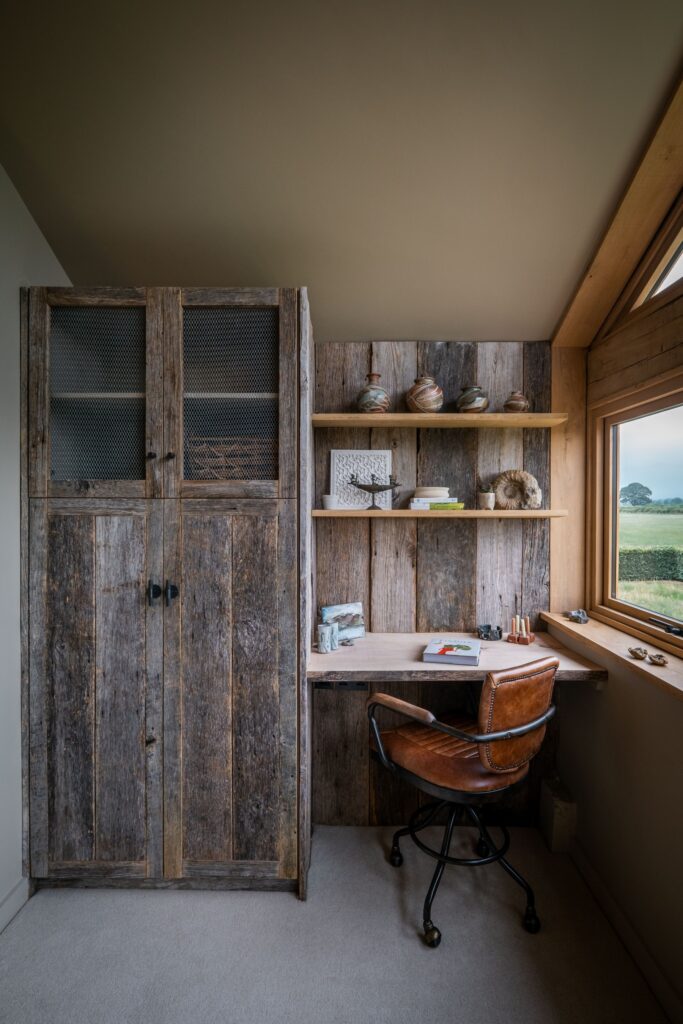
- Reclaimed and Recycled Materials: We prioritize using reclaimed wood, bamboo, recycled steel, and low VOC (volatile organic compounds) paints and adhesives. These materials not only meet sustainability criteria but also provide unique aesthetics and design possibilities, allowing us to create innovative and visually appealing structures.
Benefits of Using Sustainable Building Materials
- Environmental Impact Reduction: Sustainable materials significantly lower the environmental footprint of construction projects, ensuring alignment with environmental stewardship and biodiversity principles.
- Local Economic Support: By sourcing materials locally, we boost local economies and foster community connections, reinforcing our commitment to sustainable and ethical practices.
- Improved Indoor Air Quality: Using non-toxic materials contributes to healthier indoor environments, promoting better air quality and enhancing the well-being of occupants.
- Enhanced Aesthetic Possibilities: Sustainable materials offer diverse aesthetic and design opportunities, allowing for creative and visually appealing architectural solutions.
- Promotion of Environmental Stewardship: Our commitment to sustainable building materials exemplifies our dedication to environmental responsibility and biodiversity preservation.
Integrating Sustainable Practices into Our Design
At Charlotte Findlater Design, integrating sustainable building materials into architectural designs is a powerful tool for promoting biodiversity. By selecting materials that are locally sourced, renewable, and non-toxic, we minimize our ecological footprint and contribute to a more sustainable and harmonious built environment.
In Conclusion: Making mindful choices in materials not only benefits the environment but also enhances the overall quality of our projects. Our ethos is deeply rooted in sustainability, craftsmanship, and a profound respect for nature. Through thoughtful design and responsible material selection, we strive to create spaces that harmonize with the natural world, fostering both human well-being and ecological preservation.
Category: Luxury Interior Design, Sustainability